
How to Combine Bali Destinations Without Wasting Hours

Planning a Bali day tour often begins with a long list of places saved from Instagram, TikTok, Google, and travel videos.
You may want to visit a waterfall in Ubud, a temple in East Bali, a beach in Uluwatu, and Tanah Lot at sunset. Every destination looks manageable when viewed separately on a map.
The problem appears when you try to connect them.
Bali may not look large, but road conditions, traffic, parking, walking time, activity schedules, and hotel location can turn a simple itinerary into a full day inside the vehicle.
Good Bali itinerary planning is not about fitting the maximum number of destinations into one day. It is about choosing places that work together geographically and leaving enough time to enjoy them.
This Bali route guide explains how to combine destinations more realistically, reduce unnecessary backtracking, and build a private Bali tour around the way you actually want to travel.
Quick Answer
To combine Bali destinations without wasting hours:
- Group destinations by the same region.
- Avoid crossing the island several times in one day.
- Limit the itinerary to three or four meaningful stops.
- Consider your hotel location before choosing the route.
- Include activity duration, preparation, and cleanup time.
- Plan meal breaks around the direction of travel.
- Allow extra time for parking, walking, and queues.
- Consider traffic on the return journey.
The most practical Bali travel route usually stays within one main area.
Start by Grouping Destinations by Area
The easiest way to build a realistic Bali itinerary is to organise destinations by region.
Instead of choosing attractions only because they are popular, look at where they are located and what can be combined without unnecessary driving.
Ubud and Central Bali
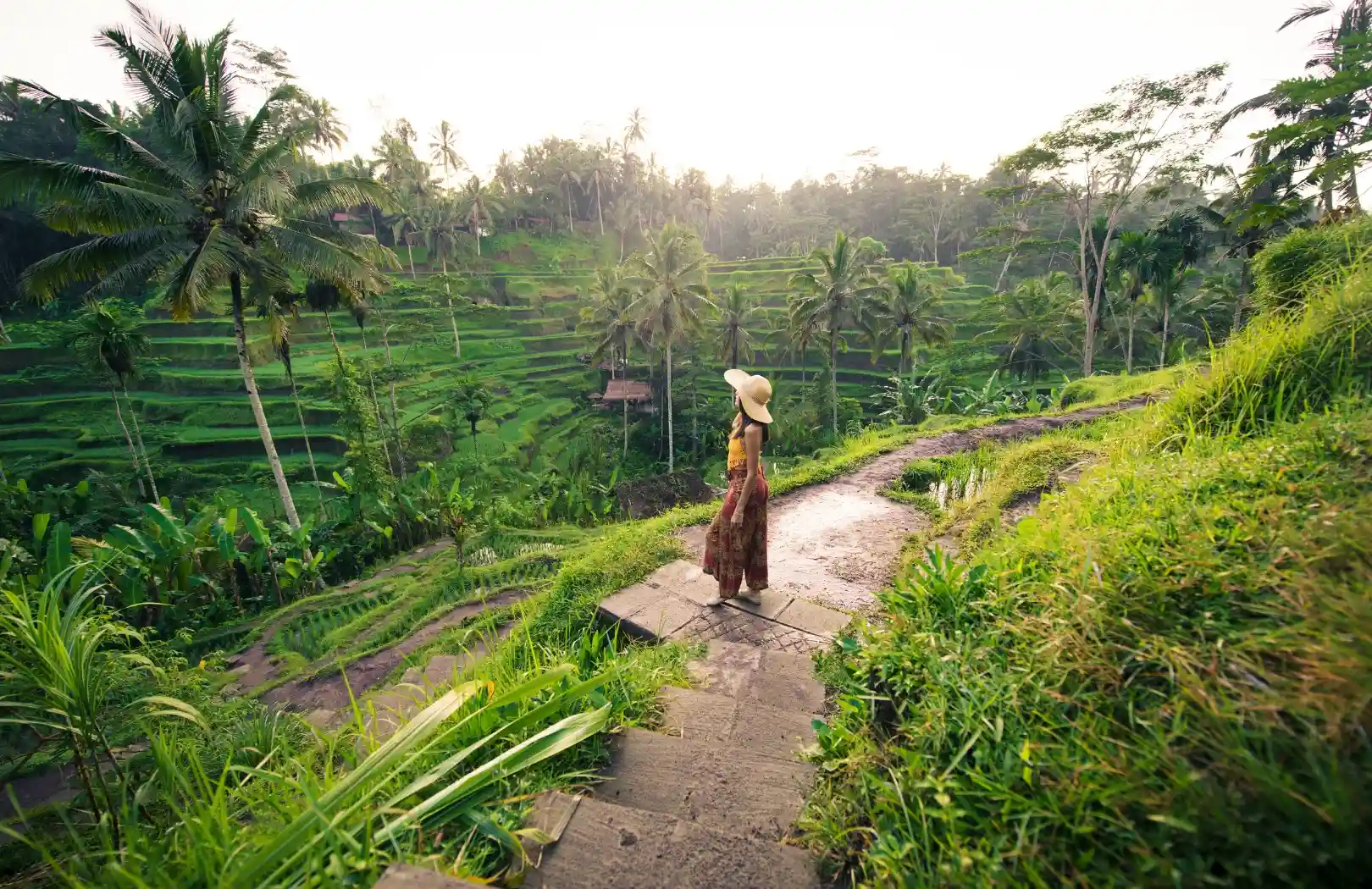
An Ubud day tour may combine:
- Tegallalang Rice Terrace.
- Ubud Monkey Forest.
- A selected Ubud waterfall.
- A temple.
- A traditional village.
- A local market or craft area.
- ATV or rafting.
You should not try to include every option in one day. Select the experiences that best match your interests.
For example, a nature-focused route could include a waterfall, rice terrace, and temple. An activity-focused route could combine ATV or rafting with one or two nearby sightseeing stops.
South Bali and Uluwatu
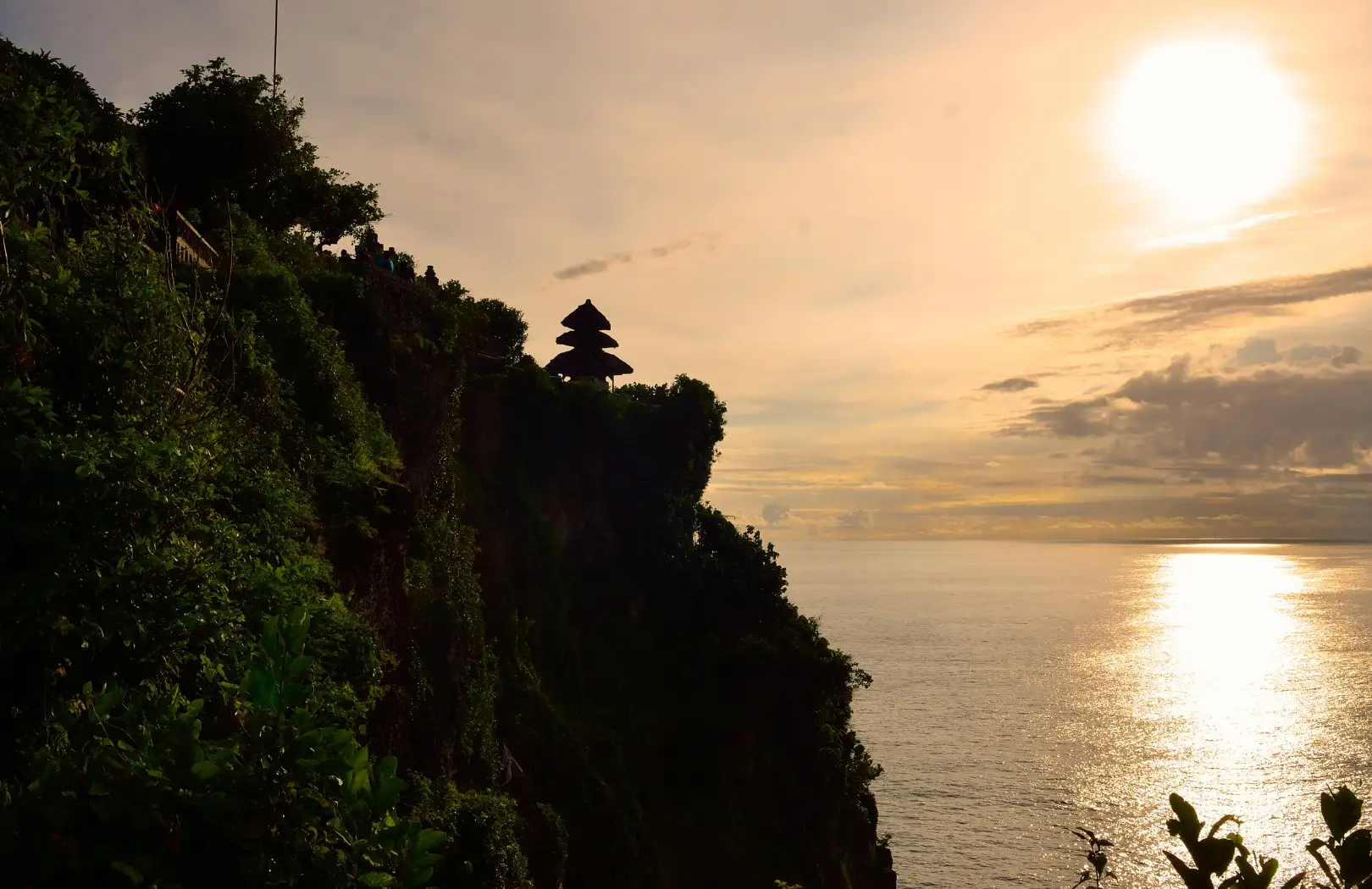
An Uluwatu route may include:
- One or two South Bali beaches.
- A coastal viewpoint.
- Uluwatu Temple.
- Kecak Dance if available.
- Jimbaran dinner.
This area works particularly well for guests staying in Nusa Dua, Jimbaran, Uluwatu, Kuta, or Seminyak.
Trying to add central Ubud or East Bali to the same route can create a very long day, especially when the plan ends with a fixed sunset or performance schedule.
East Bali

An East Bali route may include:
- Lempuyang Temple.
- Tirta Gangga Water Palace.
- A selected temple or palace.
- A traditional village.
- A coastal or scenic stop.
East Bali usually requires an early departure, particularly when starting from Seminyak, Canggu, Kuta, or Nusa Dua.
Because travel time is significant, the route should remain focused on the eastern region instead of adding Uluwatu, Tanah Lot, or North Bali.
North Bali
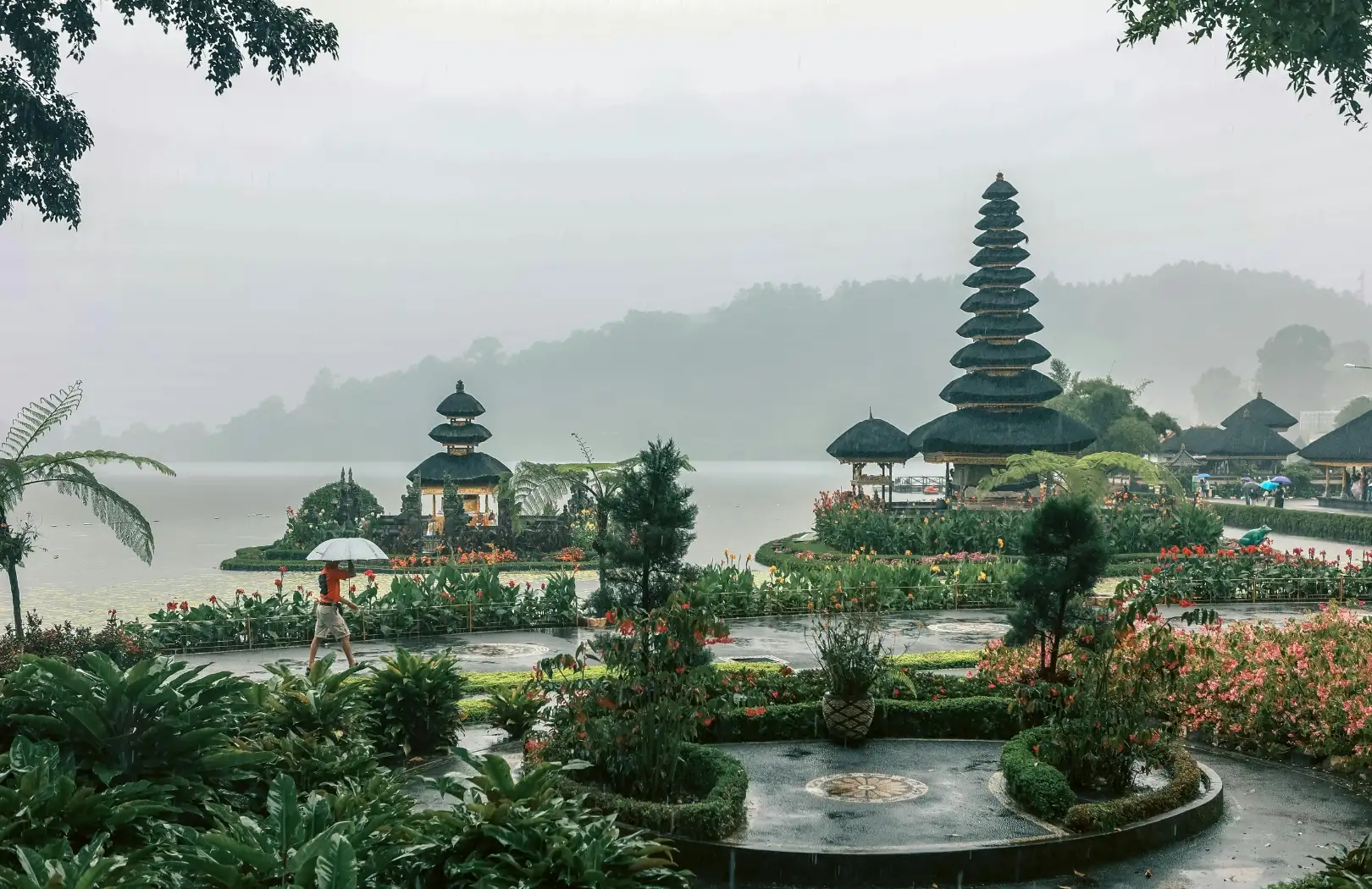
A North Bali route may combine:
- Selected waterfalls.
- Lake Beratan area.
- Mountain viewpoints.
- Temple stops.
- Scenic drives.
North Bali routes can involve longer travel from southern hotel areas. The number of stops should be reduced when the pickup location is far away.
West and Southwest Bali

A western route may include:
- Tanah Lot.
- Selected temples.
- Rice field scenery.
- Cultural or village stops.
- Sunset.
Tanah Lot can work well as the final stop when the rest of the itinerary remains in a nearby region. It is less practical when added after a full East Bali or Uluwatu route.
Avoid Cross-Island Itineraries
One of the most common Bali travel planning mistakes is combining destinations from opposite sides of the island.
A route may look possible because every location is technically within Bali. That does not mean it is practical within one day.
Examples of difficult combinations include:
- Ubud, East Bali, and Uluwatu.
- North Bali waterfalls and South Bali beaches.
- Lempuyang Temple and Tanah Lot sunset.
- Mount Batur sunrise and a full Uluwatu beach route.
- Nusa Penida followed by distant mainland sightseeing.
These routes may involve several hours of driving before parking, walking, meals, ticket queues, and actual sightseeing are included.
Cross-island planning also creates risk around fixed schedules.
If the morning runs late, you may miss a Kecak performance, restaurant reservation, fast boat, activity time, or sunset destination.
A better solution is to divide the trip into separate days.
For example:
- Day one for Ubud and central Bali.
- Day two for Uluwatu and South Bali.
- Day three for East Bali.
- Day four for Nusa Penida or an adventure activity.
This approach gives you more time at each location and reduces the pressure to rush.
Choose a Realistic Number of Stops
The number of destinations that fit into one Bali day tour depends on more than driving distance.
Each stop may require time for:
- Parking.
- Buying tickets.
- Walking to the entrance.
- Taking photos.
- Exploring the site.
- Using the toilet.
- Resting.
- Returning to the vehicle.
A practical itinerary often includes three or four main stops.
You may be able to include more when the destinations are close together and require short visits. You may need fewer when the route includes a major activity, long walk, temple ceremony, photography queue, or distant hotel pickup.
For example, an itinerary with rafting should allow time for registration, safety instructions, changing clothes, the activity, showering, and meals.
That activity cannot be treated as a quick stop between several temples and waterfalls.
Ask yourself which destinations matter most. Prioritise those locations and treat additional stops as optional rather than guaranteed.
Consider the Full Duration of Activities
Tourists often count only the advertised activity duration.
A two-hour activity may use much more time in the itinerary once the full process is included.
An activity may require:
- Travel to the operator.
- Registration.
- Safety briefing.
- Equipment fitting.
- Waiting for the start.
- The activity itself.
- Showering and changing.
- Lunch.
- Return transportation.
This applies to:
- ATV.
- Rafting.
- Snorkeling.
- Mount Batur trekking.
- Jeep sunrise tours.
- Watersports.
- Spa treatments.
- Cultural performances.
When adding an activity, reduce the number of sightseeing destinations.
For example, combining an Ubud ATV activity with a rice terrace and one cultural stop may be more realistic than adding Monkey Forest, two temples, a waterfall, a swing, and sunset.
A private Bali driver can help review how the activity fits into the route, but the operating schedule must still be confirmed with the activity provider.
Plan Meals Around the Route
Meal timing can affect the entire day.
Waiting until everyone is hungry may lead to a long detour, limited restaurant choices, or an arrival at the next destination later than expected.
A practical meal stop should consider:
- The direction of travel.
- The time of the next activity.
- Toilet access.
- Dietary preferences.
- Group size.
- Parking.
- Expected restaurant waiting time.
For example, eating before entering a long mountain route may be more practical than hoping to find a suitable restaurant later.
A group with children may need lunch earlier. Guests planning sunset may prefer a late lunch so they can continue directly to the final stop.
If you have dietary requirements, share them during the planning process. This allows the driver or tour team to consider restaurants along the route instead of searching at the last minute.
Meal costs should also be confirmed as included or excluded before booking.
Your Hotel Location Changes the Route
The same itinerary can feel easy from one hotel area and exhausting from another.
An Ubud route naturally works better from Ubud or Sanur than from Uluwatu. A South Bali beach tour is more practical from Nusa Dua or Jimbaran than from North Bali.
Before choosing your destinations, consider where the day begins and ends.
Common Bali hotel areas include:
- Ubud.
- Sanur.
- Kuta.
- Legian.
- Seminyak.
- Canggu.
- Nusa Dua.
- Jimbaran.
- Uluwatu.
A hotel location can affect:
- Pickup time.
- Total driving duration.
- Route order.
- Number of practical stops.
- Overtime.
- Possible pickup surcharges.
- Hotel return time.
Guests changing hotels should also confirm whether the tour can begin in one area and finish in another. Luggage capacity, vehicle size, route changes, and different drop-off locations must be discussed in advance.
Do Not Forget Return Traffic
Many travellers carefully plan the outward journey but forget about the drive back to the hotel.
A destination may be easy to reach in the morning and much slower to leave in the afternoon.
Return traffic may increase around:
- School and office hours.
- Sunset.
- Dinner time.
- Busy tourism areas.
- Beach access roads.
- Town centres.
- Weekend travel.
- Events and ceremonies.
This becomes important when your final destination is far from the hotel.
For example, finishing in Uluwatu and returning to Ubud may require a long evening drive. Ending an East Bali route before returning to Canggu can also extend the day significantly.
Ask about the approximate hotel return time before confirming the itinerary.
If you prefer an earlier return, reduce the final stops or choose destinations closer to the hotel.
Build the Route Around Your Priorities
A better Bali itinerary starts with clear information.
Send the tour team:
- Your travel date.
- Hotel or pickup location.
- Number of guests.
- Main destinations.
- Preferred activities.
- Desired travel pace.
- Meal preferences.
- Fixed reservations.
- Preferred return time.
Private Bali Tours helps travellers arrange private journeys based on geographic logic, travel time, hotel location, and personal interests.
You can select the destinations you want while the team helps review which places can be combined realistically. With private transportation and direct communication with an English-speaking Bali driver, the route can be adjusted around your group instead of following a shared schedule.
Planning a Bali day tour? Send your hotel area, travel date, number of guests, and preferred destinations through WhatsApp to request a custom route.
You choose how you want to experience Bali. Private Bali Tours helps make the route work.