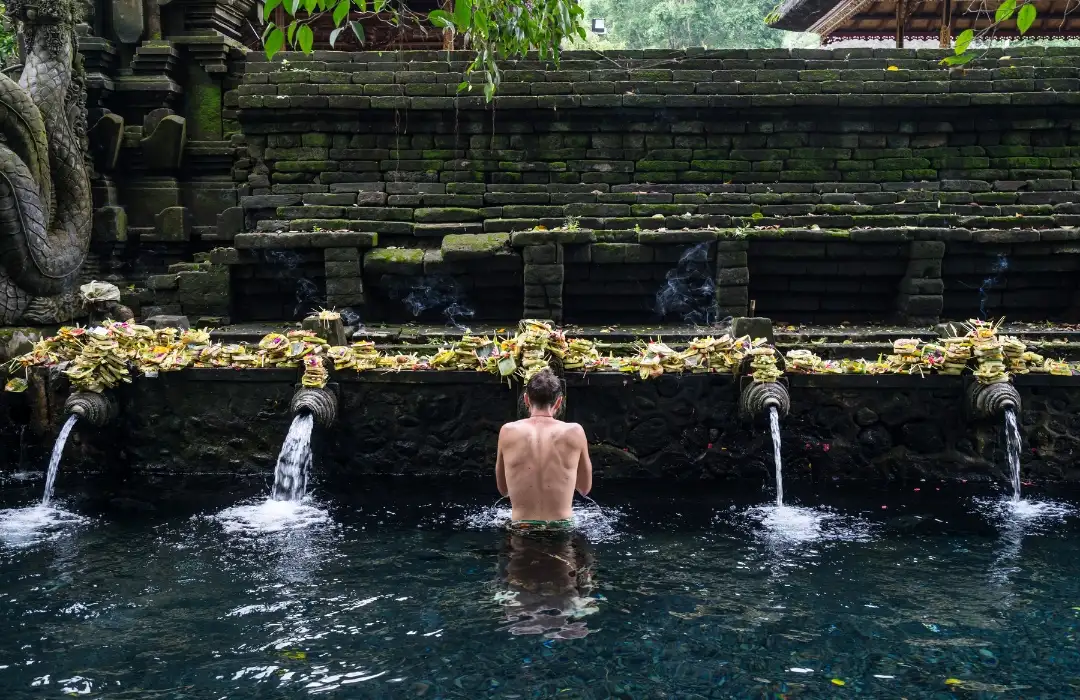
9 Things Bali Drivers Notice Before Tourists Do

A Bali road trip can feel completely different from the driver’s seat.
While guests are checking photos, discussing the next destination, or watching the rice fields through the window, an experienced Bali driver is paying attention to dozens of small details.
They notice traffic building before the road becomes crowded. They recognise when clouds are moving toward the mountains. They can often tell when a popular photo stop will soon become busy or when a guest needs a break but is too polite to say it.
These observations do not come from simply memorising roads. They develop through repeated trips, changing weather, different hotel areas, busy travel periods, and experience with many types of travellers.
A private tour in Bali becomes easier when the driver understands more than the route. The driver also needs to understand timing, guest energy, traffic flow, and how small adjustments can improve the day.
Here are nine things Bali drivers often notice before tourists do.
Quick Answer
An experienced Bali driver may notice:
- Traffic beginning to build.
- Weather changing in another region.
- A destination becoming overcrowded.
- Guests becoming tired.
- Better timing for photos.
- When the route needs adjusting.
- Common tourist habits.
- When the group needs food or a break.
- When the itinerary has too many stops.
These details can help make a Bali travel experience more comfortable, realistic, and enjoyable.
1. Traffic Is Building Before It Looks Busy
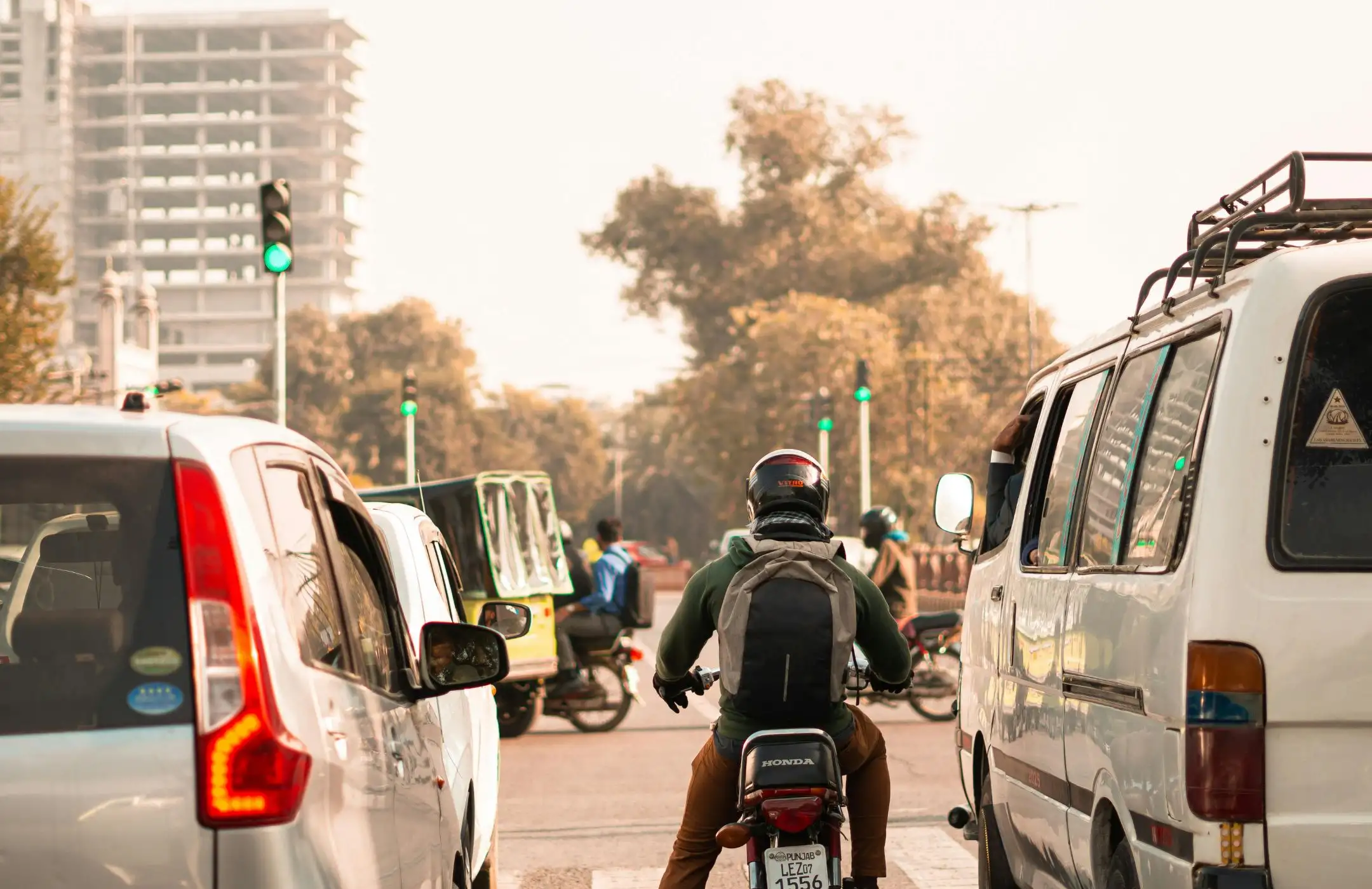
Tourists often realise there is traffic only after the vehicle has already stopped moving.
A local driver usually notices the warning signs earlier.
Traffic patterns in Bali are affected by school hours, ceremonies, road construction, market activity, airport arrivals, weekend travel, and the movement of large vehicles through narrow roads.
A road may look clear at one moment and become slow shortly afterward.
Experienced drivers often watch:
- The number of vehicles entering a junction.
- Motorcycles beginning to gather between lanes.
- Tour buses heading toward the same destination.
- Traffic coming from nearby schools or markets.
- Changes reported by other drivers.
- The time of day and direction of travel.
This does not mean a Bali driver can guarantee traffic-free roads. Bali traffic can change quickly, and some delays cannot be avoided.
However, recognising the pattern early may help the driver suggest leaving a destination sooner, changing the order of stops, or using a more practical road.
Sometimes the smartest route is not the shortest distance on the map. It is the route that works better at that particular time of day.
2. The Weather Is Changing Somewhere Else

You may be standing under blue skies in Seminyak while rain is already moving through Ubud or Kintamani.
Bali has several different travel regions, and weather conditions can vary significantly between them. Coastal areas, mountain regions, and central Bali do not always experience the same conditions at the same time.
Local drivers often notice changes through:
- Cloud movement over the mountains.
- Wind direction.
- Dark skies in the distance.
- Reports from other drivers.
- Wet vehicles arriving from another area.
- Sudden changes in temperature.
- Seasonal weather patterns.
This can be useful during a private tour in Bali, especially when the itinerary includes outdoor destinations such as waterfalls, rice terraces, beaches, viewpoints, or mountain activities.
A driver may suggest visiting one stop first while the weather is clearer or delaying an exposed location until conditions improve.
Not every plan can be changed. Tickets, activity schedules, travel time, and destination locations still need to be considered.
But a flexible Bali itinerary gives the group more room to discuss practical alternatives instead of following the original order without considering the conditions.
3. A Popular Stop Is About to Become Crowded

A destination may look quiet when you arrive, but an experienced driver can often recognise when that is about to change.
They notice tour buses approaching, multiple vehicles entering the parking area, activity groups arriving at the same time, or crowds moving from one nearby attraction to another.
This is especially relevant at:
- Famous temples.
- Rice terraces.
- Waterfalls.
- Bali gates.
- Viewpoints.
- Beach clubs.
- Sunset locations.
- Popular photography stops.
A Bali driver may recommend going directly to the main viewpoint before visiting the café, shop, or secondary attraction.
At another location, it may make more sense to take photos immediately and explore more slowly afterward.
This is not about rushing guests through every destination. It is about understanding when a small timing decision can reduce waiting and create a more comfortable visit.
Drivers who regularly travel through the same regions often develop a strong sense of how visitor flow changes throughout the day.
4. Guests Are Tired Before They Admit It

Many travellers want to complete everything on the itinerary, even when their energy is starting to drop.
Guests may continue saying they are fine because they do not want to disappoint their partner, family, or group. Others may feel that skipping a destination means they are wasting their Bali holiday.
Drivers often notice the signs first.
A guest may become quieter, take longer to return to the vehicle, stop discussing the next destination, or fall asleep immediately after leaving a stop.
Children may become restless. Senior travellers may move more slowly. Couples who were excited in the morning may start debating whether the final stop is still worth the drive.
A good private tour should not feel like a race to complete a checklist.
The driver may ask whether the group wants to continue, stop for food, or remove one destination. Spending more time at four places can be more enjoyable than rushing through seven.
Travel at your own pace also means recognising when your pace needs to change.
5. The Best Photo Timing Is Not Always at Arrival

Many travellers arrive at a destination and immediately walk toward the most famous photo spot.
An experienced Bali driver may know that waiting ten minutes, changing the visit order, or approaching from another side can lead to better conditions.
Better photo timing can depend on:
- Sun direction.
- Shadows.
- Visitor flow.
- Tour groups leaving.
- Tide conditions.
- Cloud cover.
- Local activity around the site.
- The position of parked vehicles.
- The time needed to walk to the viewpoint.
Drivers who regularly assist photography-focused travellers also learn common preferences. Some guests want wide scenic photos. Others want portraits, couple photos, family photos, or social media content without large crowds in the background.
A driver is not automatically a professional photographer. However, many Bali drivers become experienced at helping guests find a practical angle, holding a phone, or suggesting when to take the photo.
For solo travellers, this simple assistance can make a major difference to the Bali travel experience.
6. The Route Needs Adjusting Before the Delay Gets Worse

Tourists usually focus on the destinations. Drivers focus on what happens between them.
They notice road closures, ceremonies, construction, slow vehicles, unexpected queues, and areas where the route may become difficult later.
Sometimes the adjustment is small. The driver may change the order of two nearby stops.
In other situations, the group may need to discuss removing a destination because reaching it would affect an activity schedule, sunset plan, or dinner reservation.
Local route knowledge does not mean drivers have access to secret roads that completely avoid traffic. Many so-called shortcuts are narrow village roads that may not always save time or may be unsuitable for certain vehicles.
The value comes from knowing when an alternative road is practical and when it is better to stay on the main route.
A custom Bali tour should allow space for these decisions while keeping the guest informed about why the route is changing.
7. Tourists Have More Predictable Habits Than They Think

Every guest is different, but Bali drivers often notice familiar patterns.
There is usually one person who says, “We only need five minutes,” and returns twenty minutes later.
Someone may say they do not want to shop, then spend the longest time in the local store.
One guest may take hundreds of photos at the first destination and have almost no phone battery left by the afternoon.
There is often a group member who sleeps between every stop, someone who checks the map constantly, and someone who asks, “Are we almost there?” five minutes after leaving.
These habits are not necessarily a problem. They are part of the fun of travelling with other people.
An experienced driver learns to read the group without making the guests feel judged. They may remind everyone about travel time, suggest charging phones before the next stop, or allow extra time when the group clearly enjoys photography.
These small observations help the driver manage the day more naturally.
8. The Group Needs Food or a Break Soon
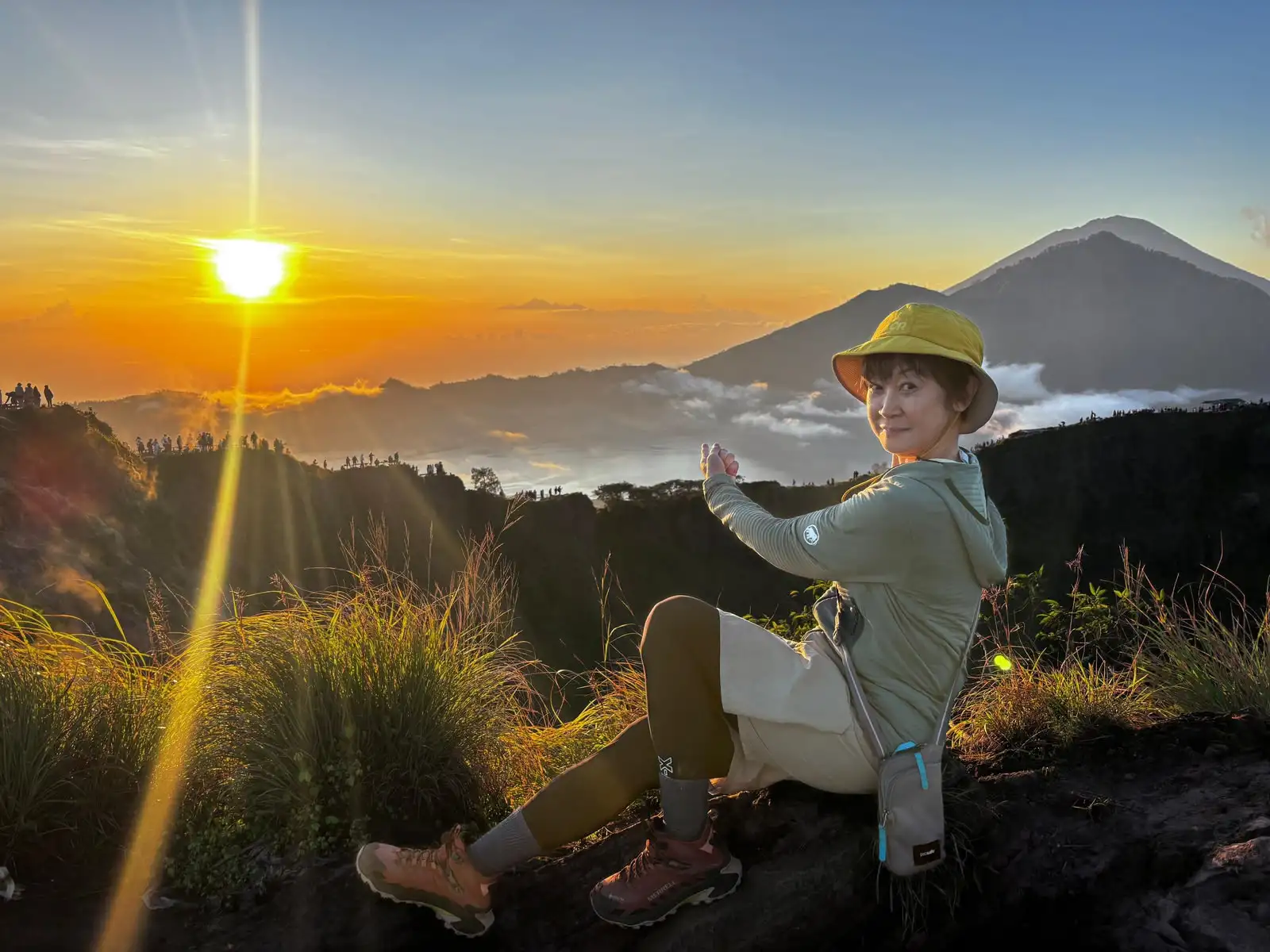
Guests do not always include meal and restroom breaks when building a Bali itinerary.
They may plan a waterfall, temple, rice terrace, ATV activity, and sunset stop without considering when they will eat or where they can take a comfortable break.
Drivers often notice when the conversation becomes quieter, children become impatient, or guests start asking about the travel time to the next location.
They may recommend stopping before entering a long route with limited options or eating earlier to avoid reaching the final destination too late.
The most suitable meal stop depends on the area, schedule, dietary preferences, and budget. It should not be added automatically without discussing it with the guests.
During direct WhatsApp planning, travellers can share dietary needs or preferred meal styles in advance. This makes it easier for the team to consider food stops when arranging the route.
9. The Itinerary Has Too Many Stops
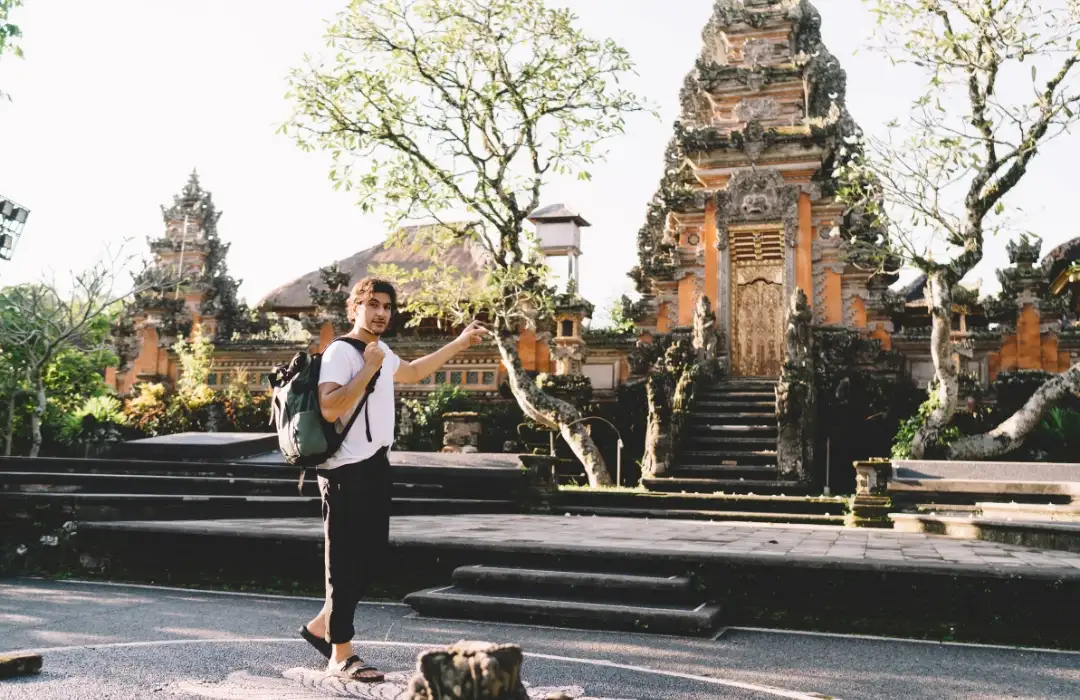
A list of destinations can look reasonable in a chat message but become unrealistic once the full route is considered.
Experienced drivers quickly notice when the plan includes too many regions, long activity durations, fixed schedules, or repeated travel across the same area.
For example, combining an early Mount Batur activity, central Ubud sightseeing, South Bali beaches, and an Uluwatu sunset in one day may create a very long and tiring trip.
A driver may suggest:
- Removing one region.
- Splitting the plan into two days.
- Replacing a distant stop with a nearby alternative.
- Prioritising the places that matter most.
- Starting earlier.
- Choosing an area-based itinerary.
This advice may initially feel disappointing to guests who want to visit everything.
However, a realistic route protects the most valuable part of the holiday: the time guests actually spend enjoying Bali.
Why Local Observation Matters on a Private Bali Tour
A good Bali travel experience is shaped by more than a list of attractions.
Timing, traffic, weather, group energy, meal breaks, and destination flow all influence how the day feels.
Private Bali Tours helps guests plan flexible journeys based on their hotel location, preferred destinations, travel date, number of guests, and preferred pace. With a private vehicle and an English-speaking local driver, travellers can discuss route adjustments directly when conditions change.
You still choose the places you want to experience. The team helps arrange them into a route that works more realistically.
Planning a Bali holiday? Send your travel date, hotel area, number of guests, and preferred destinations through WhatsApp to request a custom Bali tour.